Nutritious Lotus Seeds Redwork
A Calm, Thoughtful Design That Feels Like a Quiet Kitchen Moment
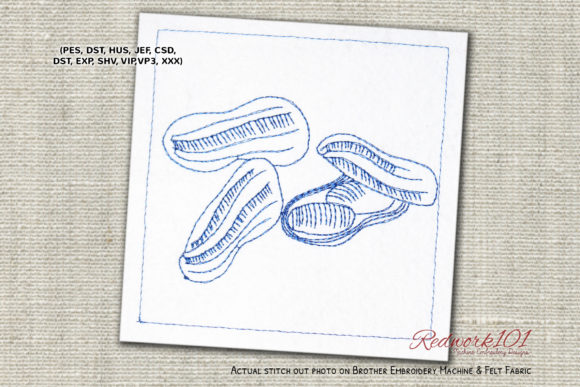
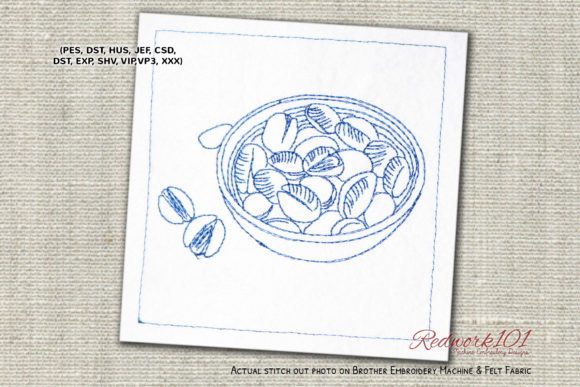
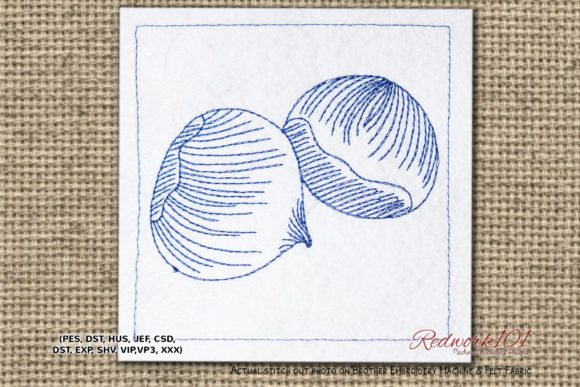
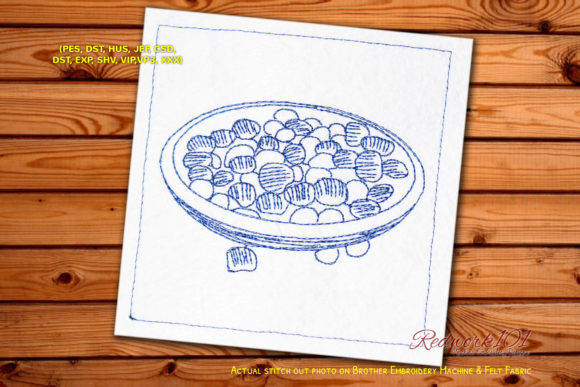
First impression? Nutritious Lotus Seeds Redwork lands softly—not with bold graphics or tight detail, but with gentle rhythm and quiet symbolism. The lotus seeds are arranged with subtle asymmetry, echoing how they’d naturally cluster in a shallow bowl or scatter across a linen tea towel. It’s redwork, so the palette is intentionally restrained: one dominant thread color carries the entire motif, letting texture and shape do the talking. There’s no filler, no busy background—just clean outlines, open negative space, and a sense of nourishment that reads as both botanical and grounded. This isn’t a design shouting for attention; it’s the kind you notice *after* you’ve already reached for the embroidered tote bag, or paused mid-sip while holding a kitchen towel.
Where It Shines in Real Projects
I recently tested Nutritious Lotus Seeds Redwork on a natural unbleached cotton apron for a small-batch artisanal tea shop. The result was exactly what the brand needed: understated, warm, and quietly meaningful. It stitched cleanly on medium-weight fabric with standard tear-away stabilizer—no puckering, no skipped stitches. Because the design relies mostly on running stitch and light satin stitch (not dense fill), it stayed flexible and breathable—critical for apparel like sweatshirts or baby onesies where stiffness ruins the feel.
It works beautifully as a centered focal point on pillow covers, tote bags, and tea towels. On a cream-colored linen pillow cover, the redwork stood out with soft contrast—neither harsh nor washed out. As a small-scale accent, it holds up well on the back yoke of a child’s organic cotton shirt or the brim of a structured cap (though more on curvature limitations below). For Etsy sellers, this is a strong candidate for “mindful kitchen” or “wellness-themed” collections—especially when paired with matching digital embroidery files for coordinating projects.
Where to Use It With Care
- Small hoop sizes: While compact, the seed clusters have delicate spacing. Below 3.5" hoop diameter, test carefully—some outer loops may clip or compress unnaturally.
- Textured or napped fabrics: On terry cloth or heavy fleece, fine lines can blur. A light cut-away stabilizer helps, but consider simplifying thread density if stitching on plush bath towels.
- Stretchy or thin fabrics: Not ideal for lightweight knits without proper backing. The design’s openness means stabilizer choice matters more than usual—skip basic tear-away on jersey; go for iron-on + tear-away combo.
- Dark or black fabric: Redwork traditionally assumes light backgrounds. On charcoal or navy, the single-color execution loses definition unless you switch to a high-contrast thread (cream, pale gold, or even ecru) and adjust your mockup expectations.
- Curved surfaces (caps, hats): The layout isn’t inherently curved-friendly—the horizontal flow works best on flat or gently contoured areas. Avoid placing it over deep crown seams or rigid bill curves unless you’re willing to manually split and reposition elements.
What It Adds—Beyond Stitching
Nutritious Lotus Seeds Redwork elevates perceived value without adding complexity. Customers respond to its intentionality: it signals care, slowness, and connection to food-as-culture—not just decoration. On personalized gifts (a baby’s first bib, a wedding kitchen set), it reads as heirloom-adjacent. For boutique branding, it supports storytelling without logos—ideal for makers who want their handmade product to speak through craft, not slogans.
Visually, it balances clarity and charm. No tiny lettering to vanish in stitching, no dense satin fills that trap lint or crack after washing. That translates directly to customer trust: when a buyer sees consistent, readable embroidery on your Etsy listing *and* receives the same quality in hand, they remember your shop. It also photographs well in natural light—important for digital embroidery file previews and printable mockups used by craft business owners.
Practical Designer Notes Before You Stitch
- Always test Nutritious Lotus Seeds Redwork on scrap fabric matching your final project’s weight and stretch.
- Check thread color contrast against both light and dark backgrounds—even slight variations in red tone change warmth and legibility.
- Review stitch density: lighter areas should remain airy; dense zones (like seed centers) shouldn’t overwhelm thin fabrics.
- Confirm hoop size compatibility—especially if using multi-position hoops or commercial embroidery machines with fixed frames.
- Inspect small details at 200% zoom in your embroidery software: ensure no stray jump stitches or under-stitched outlines.
- Test black-and-white mockups: this design’s strength lies in silhouette and rhythm—if it reads clearly in grayscale, it’ll translate well across fabric types.
- Use appropriate stabilizer: medium-weight tear-away for stable wovens, cut-away for knits, and lightweight fusible for delicate linens.
- Verify licensing before selling finished products or bundling Nutritious Lotus Seeds Redwork as part of a digital embroidery file pack—commercial use rights aren’t implied unless explicitly stated.
A Design That Grows With Your Craft Business
This isn’t a trend-chasing motif. Nutritious Lotus Seeds Redwork feels timeless—not because it’s generic, but because it’s rooted in real things: food, tradition, quiet ritual. That makes it versatile across seasons and audiences. It fits holiday embroidery (think embroidered napkin sets for Lunar New Year or wellness-themed Christmas gifts), nursery decor (soft, symbolic, non-cutesy), and small shop merchandise where authenticity matters more than flash.
For embroidery designers building a library of reliable, repeatable assets—or Etsy sellers curating cohesive collections—it’s a thoughtful addition. Not every design needs to be complex to be valuable. Sometimes, the most confident choice is a simple, well-executed redwork motif that stitches true, photographs beautifully, and invites people to pause—just long enough to appreciate the seed, the stitch, and the care behind both.