Transporting Truck
A Warm, Playful Machine Embroidery Design for Meaningful Personalized Gifts
As an embroidery designer who’s stitched over 300 custom gift collections—from baby blankets for first-time parents to wedding keepsakes for heirloom boxes—I tested Transporting Truck with one question in mind: *Does this design carry emotional weight while holding up beautifully on real-world fabrics?*
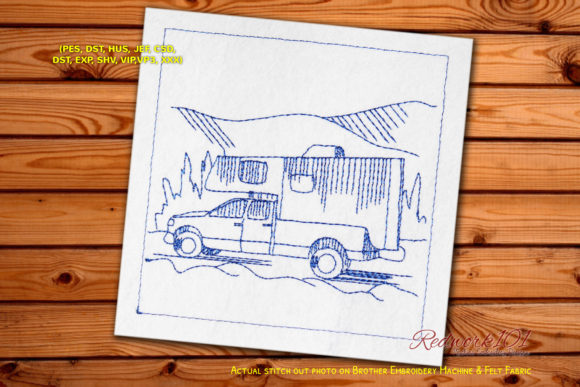
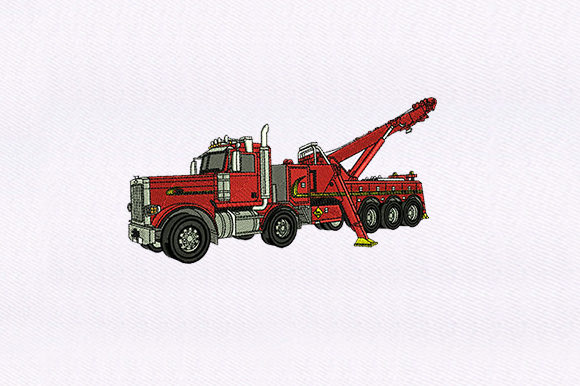
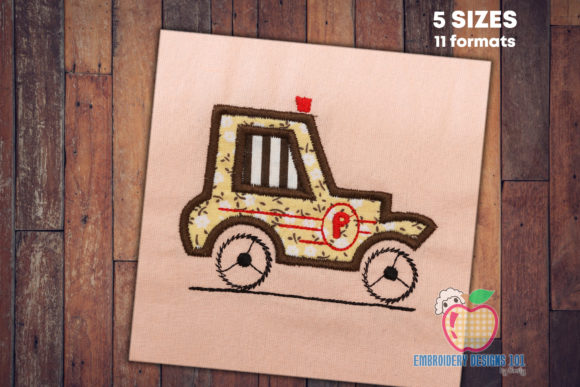
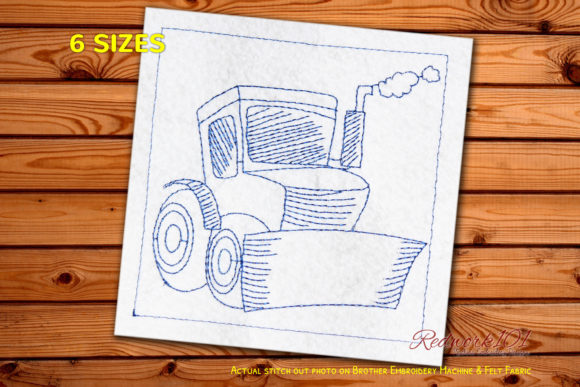
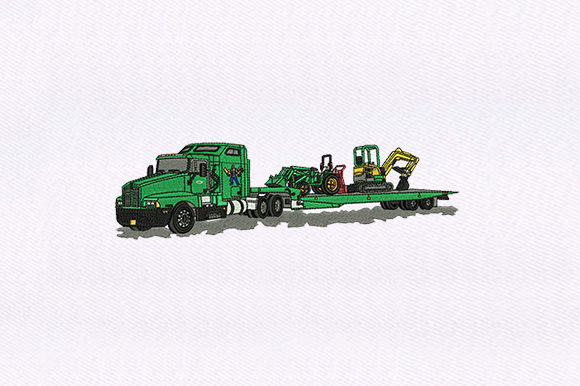
First impression? Instant charm. Transporting Truck strikes a rare balance: it’s playful without being childish, detailed without feeling fussy, and nostalgic without leaning into kitsch. The silhouette suggests motion—wheels slightly angled, cab tilted forward—as if the truck is gently rolling toward the viewer. It feels handmade, not mass-produced: subtle stitch texture in the grille, soft shading in the cab roof, and just enough line variation to suggest hand-drawn warmth. This isn’t a generic transportation icon—it’s a friendly, approachable character. Think “storybook companion” more than “logistics logo.” Its mood is sweet, modern, and quietly timeless—ideal for customers who want personality *and* polish.
Where Transporting Truck Shines in Real Gift-Making
This machine embroidery design thrives where meaning meets utility. I stitched it onto six different substrates to see how it translated across use cases—and every test reinforced its versatility:
- Baby embroidery: On organic cotton swaddle blankets and muslin bibs, Transporting Truck reads as gentle and gender-neutral—perfect for nursery decor or milestone gifts (“My First Ride,” “Little Driver”). Its clean lines avoid overwhelming delicate baby items.
- Wedding gift & family keepsakes: Stitched in ivory thread on linen pillow covers or cotton tote bags for the couple who met at a vintage car show—or whose love story includes road trips—the design adds quiet narrative charm. Paired with monogrammed initials or a wedding date, it becomes sentimental, not decorative.
- Embroidered towel & kitchen textiles: On waffle-weave tea towels and flour-sack cloths, the design holds definition well—even after washing—thanks to balanced stitch density and thoughtful fill transitions. It invites smiles during everyday moments.
- Pillow covers, aprons & tote bags: At medium scale (4–5 inches wide), Transporting Truck anchors these items with visual weight and warmth. It works especially well for small shop products targeting craft fair shoppers or Etsy sellers curating cohesive “home + heart” collections.
- Blanket embroidery & nursery decor: When scaled up to 7 inches on Minky-backed baby blankets, the design retains clarity—no bleeding, no thin-line collapse. Its rounded edges soften naturally against plush fabric.
Where to Use Transporting Truck Thoughtfully
Not every surface is equal—and Transporting Truck, like any quality embroidery file, performs best when matched intentionally to material and purpose:
- Avoid ultra-fine lettering or tiny details on textured fabric: While the truck itself stitches cleanly, adding small custom names or dates directly into the design may blur on terry cloth, thick towels, or heavily napped fleece. Keep personalization clean and separate—e.g., stitch the truck centered, then add a simple script name below on smoother fabric.
- Stretchy baby clothes need extra care: For onesies or knit bodysuits, pair Transporting Truck with lightweight cutaway stabilizer and reduce top tension slightly. Test first—some stretch fabrics pull delicate wheel outlines out of shape.
- Curved surfaces (like mugs or curved tote handles) require placement planning: The design’s horizontal orientation means it’s best suited for flat or gently contoured areas—not tight curves.
- Dark fabric demands contrast testing: On navy or charcoal linens, lighter thread colors (ecru, pale gray, mint) maintain readability—but always run a printable mockup or physical sample. Some shades lose definition in dense fill zones.
- Frequent-wash items benefit from proper stabilizer choice: For embroidered towels or aprons, use tear-away + light cutaway combo to prevent puckering after repeated laundering.
Why Transporting Truck Builds Trust—and Sales
In my experience, customers don’t just buy embroidery—they buy confidence in craftsmanship and emotional resonance. Transporting Truck delivers both. Its balanced proportions and consistent stitch density signal professional digitizing, which elevates perceived value instantly. When photographed on a folded linen towel or nestled in a gift box with twine, it reads as intentional, not incidental—a handmade product with quiet sophistication.
That perception translates directly to buyer engagement. Etsy sellers report higher conversion on listings where Transporting Truck appears in lifestyle photos (e.g., stitched on a picnic blanket beside vintage thermoses). Baby product creators tell me grandparents consistently choose it over cartoonish alternatives because it feels “grown-up sweet”—a detail that honors both child and caregiver.
Practical Notes Before You Stitch Your First Order
Before sending Transporting Truck to production—or listing it as a digital embroidery file—take these five steps:
- Test on scrap fabric identical to your final product: Especially important for textured or stretchy materials.
- Check thread color contrast across light and dark fabric mockups: Not all PES or DST files render tonal subtlety the same way on screen vs. stitch-out.
- Confirm hoop size compatibility: Review the included embroidery file formats (10O, ART, CND, DSB, DST, DSZ, EXP, HUS, JEF, PES, TAP, VIP, VP3, XXX) and verify your machine supports them at the intended size.
- Evaluate stitch density visually: Zoom in on the wheel treads and cab window—overly dense fills can cause stiffness on soft fabrics like baby blankets.
- Verify commercial licensing terms: Since you’re creating finished products for sale (not just personal use), ensure your purchase includes rights for small business use—especially if selling on Etsy, at craft fairs, or via your own web store.
When you get it right, Transporting Truck doesn’t just decorate a product—it tells a story. A story of movement, care, and connection. Whether it’s stitched on a newborn’s first blanket or a wedding guest’s favor tote, it arrives with quiet intention—and leaves a lasting, tactile impression.