Snowman Jeremiah: A Craft Fair-Ready Winter Embroidery Design
First Impression: Festive, Friendly, and Booth-Ready
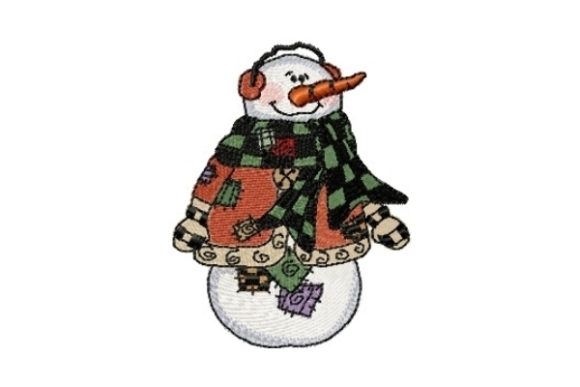
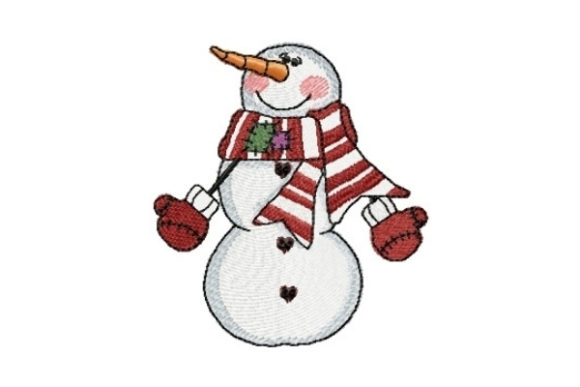
As an embroidery designer who’s prepped over 200 craft fair booths—from snowy Vermont markets to sunlit Southern pop-ups—I opened Snowman Jeremiah expecting charm, not cliché. What I found was a balanced, approachable winter character: not overly cartoonish, not stiffly traditional. It leans gently into farmhouse whimsy with soft curves and clear facial features—no tiny snowflakes or fragile twig arms that vanish on textured fabric. That matters. At a crowded holiday market, Snowman Jeremiah reads instantly at three paces: friendly, handmade, and seasonally sincere.
Where Snowman Jeremiah Shines on Real Craft Fair Products
This isn’t just another snowman—it’s a versatile machine embroidery design built for tactile appeal and visual clarity. Here’s how it performs across your most common handmade product categories:
- Tote bag design: Works beautifully centered on natural canvas or heavyweight cotton duck. At 4–5 inches wide, Snowman Jeremiah holds presence without overwhelming the bag’s structure. Customers notice it before they even reach your table.
- Apron embroidery: Ideal for chest placement on denim or linen aprons. Its rounded shape complements the apron’s bib, and the name “Jeremiah” adds subtle personality—making it memorable in a sea of generic snowflakes.
- Tea towel embroidery: Performs well on medium-weight flour-sack cotton—but avoid ultra-textured towels unless you’ve tested stabilizer first. The design’s clean outlines hold up better than dense fill patterns when washed repeatedly.
- Embroidered patch: Translates cleanly to iron-on or sew-on patches (1.75–2.5" size). Great for bundling as stocking stuffers or booth add-ons—especially when paired with matching thread colors.
- Caps and curved surfaces: Use caution here. While Snowman Jeremiah avoids fine interior details, its base shape still benefits from a low-profile hoop and cutaway + tear-away stabilizer combo on structured caps.
- Fabric pouches & pillow covers: Excellent focal point at 3–4 inches. Looks premium on linen-blend or brushed cotton—and photographs crisply for Etsy listings and printable mockups.
Production Practicality: Batch-Friendly, Not Fussy
What makes Snowman Jeremiah a smart pick for small shop product lines? It’s legible. No micro-lettering. No overlapping stitch layers that snag or blur. You can scale it confidently between 2.25" (for patches) and 6" (for pillow covers) without losing definition. That means fewer test runs, faster hooping, and smoother commercial embroidery throughput.
It also photographs well—critical for Etsy sellers juggling listings, ads, and social posts. On light fabric, standard white or ecru thread pops cleanly; on navy or charcoal, a warm off-white or pale gray thread maintains readability without looking washed out. Just avoid black thread on dark fabric unless you’re adding a satin-stitch outline for lift.
Careful-Use Notes Every Designer Should Check
Even charming designs need respect. Before cutting fabric or loading your embroidery file, consider these real-world constraints:
- Dense stitch areas: If the scarf or hat includes tight fill motifs, reduce stitch density slightly on thick fabrics like corduroy or quilted cotton—especially for tote bags meant to carry weight.
- Small lettering: “Jeremiah” is spelled out—not abbreviated—so verify legibility at your smallest intended size (e.g., 1.5" patches). Test on scrap first.
- Textured towels & dark fabric: Skip fluffy terry cloth. Stick to smooth, tightly woven tea towels. For dark backgrounds, use high-contrast thread and consider a light underlay stitch for crisp edges.
- Hoop size & stabilizer: Confirm your embroidery file’s recommended hoop size. When in doubt, go one size larger—and always pair medium-weight cutaway with a light tear-away top layer for stability and surface smoothness.
Why Snowman Jeremiah Strengthens Your Booth & Brand
At a craft fair, attention is currency—and Snowman Jeremiah earns it honestly. It doesn’t shout; it invites. That quiet confidence translates directly to perceived value: customers associate clean execution and intentional design with higher-quality handmade product. It also supports brand consistency. Whether you’re selling embroidered market bags in December or launching a spring collection with subtle seasonal callbacks, Snowman Jeremiah fits a cohesive aesthetic—not just a holiday trend.
In your display, use it across *at least three* product types (e.g., a tea towel, a patch bundle, and a linen pouch). That repetition builds recognition without redundancy. And don’t skip the real mockup: stitch one full sample on your exact production fabric. A photo of Snowman Jeremiah on your actual tote bag—folded neatly beside a cinnamon roll—outperforms ten polished digital mockups every time.
Final Designer Notes Before You Stitch
Before turning Snowman Jeremiah into finished product, do these five things:
- Test the embroidery file on scrap fabric *in your exact thread colors*—not just default palettes.
- Check spacing: ensure no part of the design crowds seams, pockets, or hems on your target product.
- Confirm hoop size compatibility with your machine—and whether the file includes multiple sizes or only one.
- Inspect stitch density visually: look for thread buildup in curved areas (like the snowman’s shoulders) that could cause puckering.
- Verify commercial licensing terms. Since this is a digital embroidery file intended for resale, confirm you’re cleared for commercial embroidery use before listing on Etsy or packaging as a small shop product.
Snowman Jeremiah isn’t just festive—it’s functional, flexible, and quietly distinctive. In a market flooded with generic holiday motifs, it stands out by being human-scaled, production-smart, and genuinely warm. That’s the kind of winter embroidery design that sells out by Sunday afternoon—and brings customers back next year asking, “Do you have more like Jeremiah?”